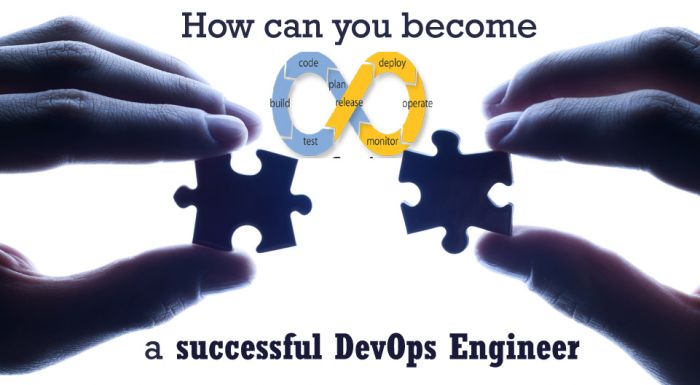
These days in software industry one word is high in trend and that is "DevOps". Industry experts define DevOps either as a "culture" or "methodology". But when organizations and companies looking for DevOps expert for their projects or organizations they post job ad like this "Hiring or Looking" for "DevOps Engineer" or "DevOps Architect". So we can say DevOps is a culture and methodology but it's a "Role" too.
Today DevOps is reforming the software industry. DevOps integrates developers and operation teams in order to improve collaboration and productivity by automation infrastructure, automating workflows and continuously application performance. Read more click here
Reference:- This article was originally posted on scmGalaxy.com
This post offers thoughtful insights into what it really takes to grow into a successful DevOps professional, and I especially appreciate how it emphasizes that DevOps isn’t just about mastering a set of tools, but about developing a mindset focused on collaboration, automation, continuous improvement, and learning from real challenges in the software delivery lifecycle. Too often people think DevOps success comes only from knowing specific technologies, but real impact comes when you understand how development, operations, QA, and security can work together to reduce cycle time, improve reliability, and deliver value more predictably. It’s great that the article also highlights the importance of communication skills and empathy — being able to bridge gaps between teams and appreciate different perspectives helps avoid silos and build trust, which in turn speeds up feedback loops and reduces friction. Continuous learning and curiosity really do make a difference here, because the DevOps landscape is constantly evolving with new automation, observability, and deployment approaches emerging all the time. For anyone serious about this career path, combining technical competency with soft skills and a willingness to adapt and experiment will pay off not just in job performance but in lasting professional growth.
ReplyDelete